
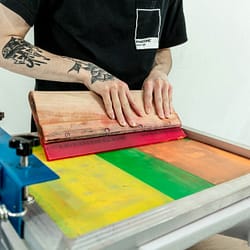
How to Choose the Right Printing Method for Custom Prints
Choosing the right printing method can make or break the quality and longevity of custom prints. With so many options available, from traditional techniques to modern digital solutions, understanding what works best for specific materials and designs is more important than ever. Factors such as fabric type, color vibrancy, durability, and production volume all play a role, and many beginners often overlook these details when they first check this out while researching printing options. Making an informed choice not only saves money but also ensures professional-looking results. This article explores how to match the right printing method to your needs for consistent, high-quality custom prints.
Matching Printing Methods to Design Complexity
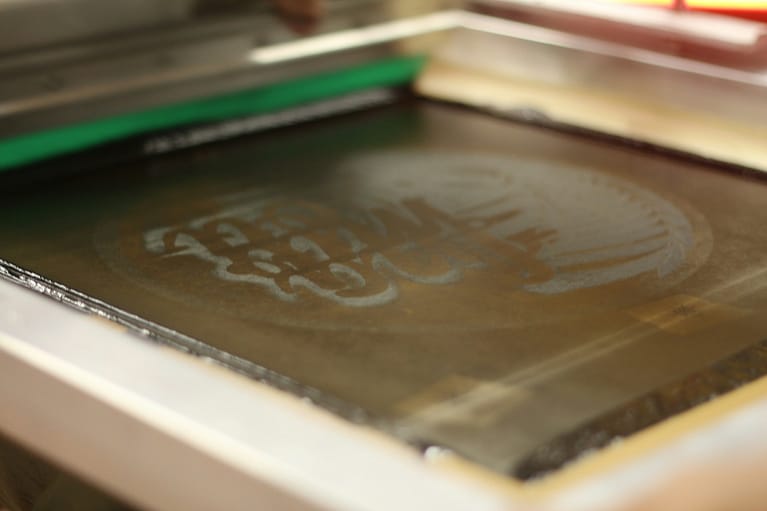
Design details are among the first factors to consider when selecting a printing method. Highly detailed images with gradients or fine lines often benefit from techniques that reproduce color transitions cleanly and accurately. Simpler designs with solid colors may perform better with methods that emphasize bold coverage and sharp edges. The artwork’s complexity influences how clearly the final print appears after transfer to the surface. Ignoring this match can result in blurred details or uneven finishes. By aligning the printing process with the design’s visual demands, you maintain clarity and ensure the final product accurately reflects the original concept.
Considering Material Type and Print Durability
The surface being printed on strongly affects which method works best. Fabrics, plastics, paper, and metals each interact differently with ink and heat. Some methods bond well with textiles and move naturally with the material, while others suit rigid or flat surfaces better. Durability also matters, especially for items that are frequently washed, handled, or exposed. A printing method that lacks flexibility or adhesion can lead to cracking or fading. Choosing based on material compatibility helps extend the print’s lifespan while maintaining comfort, texture, and overall appearance during regular use.
Balancing Cost, Quantity, and Production Speed

Budget and order size often guide printing decisions just as much as quality expectations. Some methods are cost-effective for large batches but inefficient for small runs, while others suit short orders without heavy setup costs. Production speed also matters when deadlines are tight. Faster methods help meet tight schedules but may limit design options. Slower processes often deliver greater detail but require planning. Weighing cost, quantity, and turnaround time together prevents overspending or delays. A smart balance ensures the chosen method supports both creative goals and practical business needs.
Selecting the right printing method for custom prints requires thoughtful consideration of design detail, material type, and production needs. Each technique offers strengths that suit specific projects rather than universal solutions. By understanding how these factors interact, you can avoid common pitfalls and achieve consistent, high-quality results. The right choice protects your design vision while supporting durability, efficiency, and budget control. With informed decisions, custom prints become reliable representations of your ideas, delivering results that meet expectations and perform well in real-world use.…